Commentary: Add more plants, and less meat to your meals. Here’s why
Advertisement
Commentary
Commentary: Add more plants, and less meat to your meals. Hither's why
Most people recollect of eating every bit a binary choice – you lot either go vegan or vegetarian or not at all, but this cannot be further from the truth, say two observers.
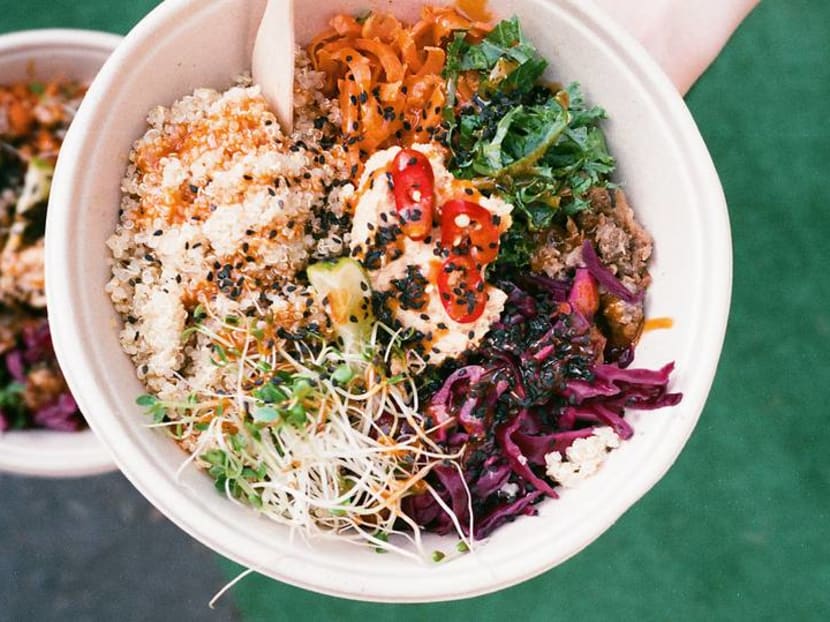
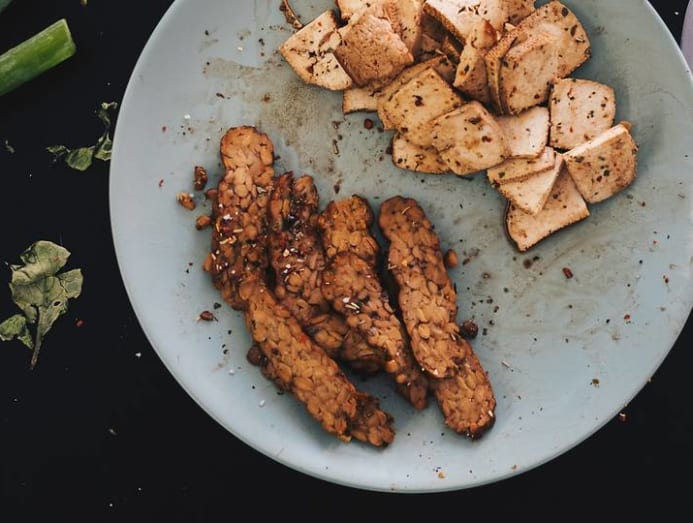
Plant-based foods can be succulent besides (Photograph: Unsplash/Roosa Kulju)
25 Nov 2022 05:00PM (Updated: 03 Jul 2022 03:49PM)
SINGAPORE: In recent years, more than people take been adding more plants to their plate. And the growing awareness of the role of animal agriculture (using animals for meat, eggs and dairy) as a leading driver of global warming is function of the reason.
Animal agriculture, every bit Good Food Institute Manager Bruce Friedrich points out in his TED talk, is incredibly inefficient: Even the well-nigh efficient animate being, chickens, requires nine calories of feed to produce just ane calorie of meat.
Using animals to produce food is a form of nutrient waste. Those who believe in this crusade may take cutting their meat intake in a motility to tackle the food wastage problem.
The handling of animals constitutes some other reason some people are increasing their consumption of establish foods. Thanks to the Internet, the closed doors of the meat, dairy, and egg production facilities take opened to betrayal the suffering of the animals trapped in this system.
As important as environment and animal welfare problems are, health may be the chief motivation driving this shift towards plant-based foods.
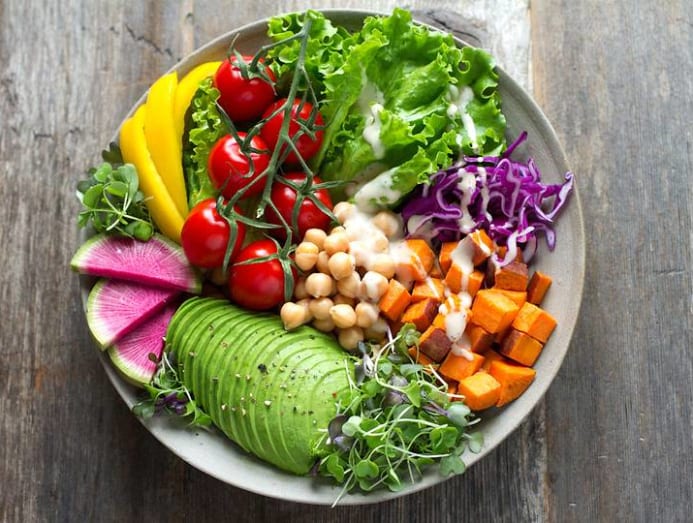
Enquiry demonstrates how eating plants can boost our health by raising antioxidant levels, lowering weight and cholesterol, and reducing adventure of chronic diseases, such as diabetes, heart disease, certain cancers and dementia.
READ: Meat-heavy low-carb diets can 'shorten lifespan': Study
Celebrities and athletes endorsing and experimenting with plant-based foods besides makes it a trendy option, especially amid young people.
Whatever the reason, it's encouraging to come across people around the world taking steps on this path to healthier living and a greener planet. But more should consider changing to a more than plant-based and less meat diet, as it could also assistance them fulfil their roles as responsible citizens of the world.
More PLANTS ON OUR PLATES TO SLOW Climatic change
Nearly people recollect of plant-based eating every bit strictly a binary choice. Either you lot are an all-in vegan and never touch any foods from animals, or you eat meat, eggs and dairy in every meal.
In reality, people's diet choices range along a wide continuum. For example, "welfarists" wait for food from animals whose lives are at least slightly improve than those of their peers on factory farms; for case, welfarists might eat muzzle-free chicken eggs.
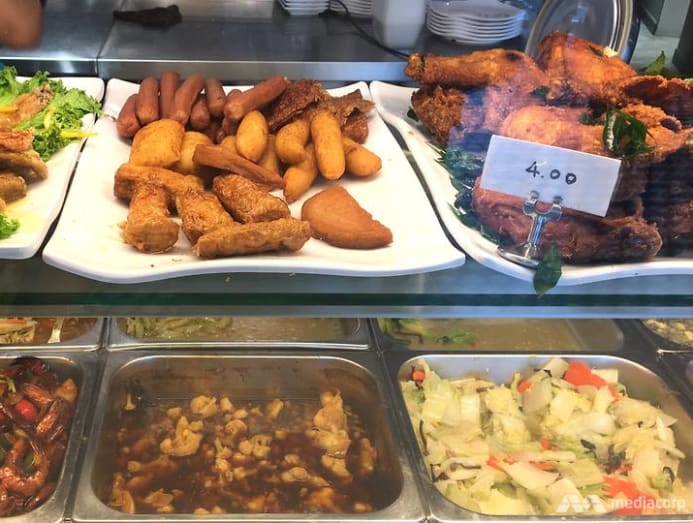
Further along the continuum are "reducetarians" who are committed to eat less meat, eggs, and dairy in every meal. For instance at an Economic system Rice stall, they may cull two vegetables and one meat or egg, instead of one vegetable, ane meat and one egg. They may even become establish-based ane twenty-four hour period a week.
READ: What do you lot practise when your child decides to become a vegetarian?
"Flexitarian" represents another end along the diet continuum. This group usually eats found-based meals, but non ever. For instance, every Dominicus, they take some of their granddad's famous oyster porridge.
Regardless of where i is in the continuum of fauna-based food consumption, just the act of reducing meat contributes to the changes we need to slow climate change.
Flexitarian diets offering perhaps the best current destination for many people'south food journey. A recent study published in the journal Nature explained that people shifting to a flexitarian diet could agree climate change below 2 degrees Celsius past halving greenhouse gas emissions from livestock.
READ: Dear Singapore, a plastic future is not fantastic, a commentary
MAKING SINGAPORE FLEXITARIAN-FRIENDLY
What can be done to make Singapore an easier place to be flexitarian? Protein is ane of people's big concerns. Fortunately, at that place has been an explosion of innovation inside the alternative protein space.
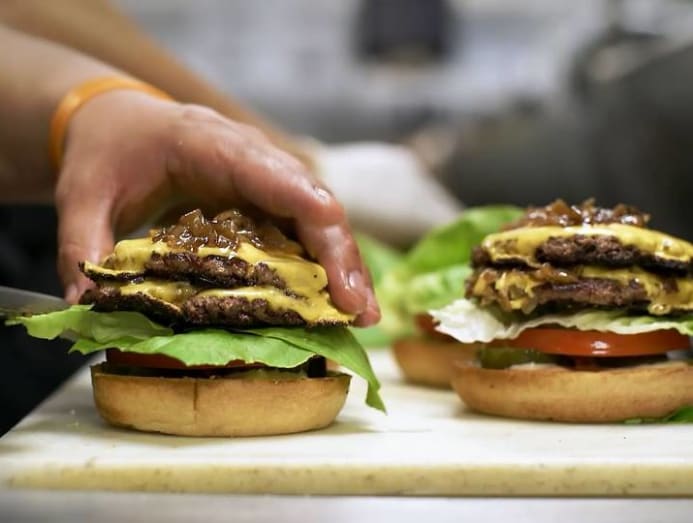
In addition to new products fabricated from plants and fungi, food scientists are now even growing meat from cells rather than unabridged animals, and have already succeeded in producing the first "clean meat", or lab-grown burgers.
READ: In Singapore soon? The 'impossible' burger that'south meatier than real meat
In Singapore, food manufacturing incubator, Innovate360, provides start-ups with the training, facilities, and back up to bring more sustainable products to market. This comes on the heels of National Academy of Singapore's recent launch of a new Southward$110 million dollar laboratory to develop plant-based versions of satay and other favourite foods.
These efforts to develop alternatives to creature-based foods will provide more than plant-based food options for Singaporeans.
Obtaining our food without the involvement of animals also avoids possible contagion and bacteria from animals' bodily processes, such as excretion, that can crusade health issues. This means that lab-grown meat is cleaner than meat from slaughtered animals.
While some meat alternatives are currently offered at premium prices, as the technology matures and production scales, prices should fall to lucifer those of traditionally grown animal foods.
READ: Five simple tips to help vegetarian or vegan travellers eat well, anywhere
Additionally, many found-based foods are very reasonably priced. At that place is already a wide range of these affordable, piece of cake to discover plant-based options in Singapore. Local fruits and vegetables, tofu, tempeh, and other legume based foods, such as peanuts, and grains, such equally oats and chocolate-brown rice, are all examples of these foods.
Fifty-fifty More Succulent PLANT FOODS ARE COMING
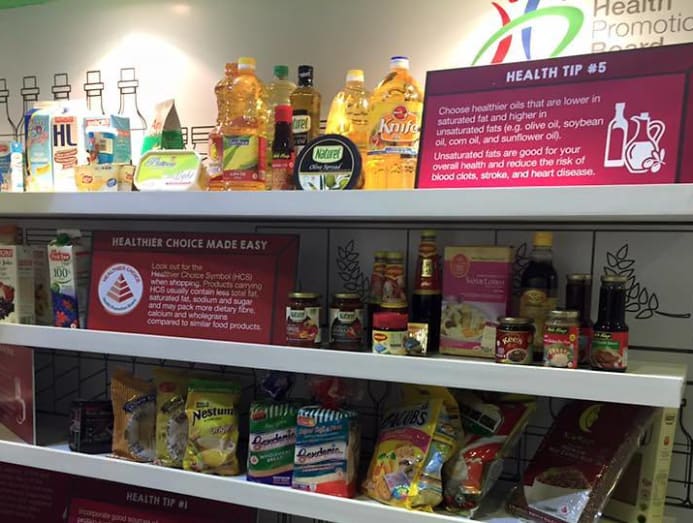
To aid Singaporeans eat less meat, Singapore Wellness Promotion Lath's (HPB) use of subsidies to promote healthier eating can be further extended.
Many nonetheless fall short of HPB's recommendation of ii daily servings each of fruits and vegetables. According to the National Nutrition Survey, which was last done in 2010, only one in 4 adult Singapore residents met the Dietary Guidelines.
Increasing subsidies at the wholesale or retail levels could back up HPB's efforts to boost consumption of these vital foods. In other words, people need carrots to eat more carrots.
As a country that prides itself on our discerning palate and vibrant food culture, Singapore is a identify where boosting the availability of tasty plant-based options takes on special significance.
Fortunately, HPB provides a model for innovation, in the form of a previous initiative which trained chefs in hawker centres and restaurants to set healthier foods, such as cooking with less oil. A part of this capacity-building plan was a certification scheme that helped consumers identify stalls with healthier, still tasty, options.
READ: Healthier options 'killing the bell-ringer vibe'? Why so resistant, Singaporeans? A commentary
A like approach claim consideration for expanding the establish-based foods infinite: A concerted training programme that helps chefs across Singapore aggrandize their menus' selection of delicious plant-based dishes that taste meliorate and remain true-blue to our culinary traditions.
The global rise of fast food and food delivery is attestation to merely how much consumers value convenience, and if plant-based foods are to compete with other options in Singapore, they need to exist just as convenient every bit their animal-based alternatives.
To help Singaporeans quickly and easily sink their teeth into delicious and healthy options, a certification scheme could be paired with a culinary plan, heightening the visibility of eateries which have pride in serving sustainable and healthy food.
Portugal provides an example of regime activeness to make life easier for those who choose to become vegan by making information technology compulsory for schools and hospitals to provide institute-based options.
In Ghent, Belgium, institute-based eating is especially encouraged every Thursday, and free vegetarian and vegan cooking workshops are provided for students, teachers and parents.
IMPROVING Health AND Environment
The suggestions outlined above are ambitious, no doubt, but the payoffs from promoting flexitarian or less meat diet are as appetising.
An up to a whopping United states$31 trillion dollars by 2050 was the savings estimated by Oxford University researchers in terms of improved health and environmental protection of a global shift towards plant-based diets.
Later all, each life is precious, and each healthier person ways a happier person with a happier family. Change seldom feels easy, but putting more plants on our plate but feels right.
It's entirely possible that promoting flexitarian options hither would have effects far beyond Singapore's borders. We have the infrastructure, talent and bulldoze to pioneer models of the future of food that could play a crucial role in leading others towards a greener and healthier tomorrow.
Dr George Jacobs is long-time president of the Vegetarian Order in Singapore. Peter Lewis is a recent graduate of Yale-NUS College and now works with Karana, a constitute-based foods start-up.

Recent Searches
Trending Topics
Source: https://cnalifestyle.channelnewsasia.com/commentary/why-you-should-add-more-plants-and-less-meat-to-your-meals-220206

Post a Comment for "Commentary: Add more plants, and less meat to your meals. Here’s why"